Museum Exhibit · Authoritarianism & Populism
Worse than Epstein?
How governments use shocking distractions to avoid accountability, and what that means for democracy.
Evidence Board
- hover or tap each card to reveal the incident"A Good Day to Bury Bad News"
Jo Moore · 11 Sep 2001
On September 11, 2001, while the World Trade Centre towers were still on fire, UK government adviser Jo Moore sent an email to her team saying it was "a very good day to get out anything we want to bury." She wanted to release embarrassing government news while everyone was distracted by the attacks. The email was sent before either tower had even collapsed.
Source: Jo Moore internal email, Dept. of Transport (2001)
↑ hover to reveal
"The £700M Rwanda Mirage"
Boris Johnson · 2022
During Partygate - when Boris Johnson was about to be removed for holding illegal parties at Downing Street during COVID lockdowns - his government suddenly announced the Rwanda deportation plan. It took over the news cycle for weeks. The whole thing cost UK taxpayers £700 million and only four people were actually relocated.
Source: National Audit Office report; House of Commons records
↑ hover to reveal
UFO sightseeings
US Government · 2023-24, current days
From 2023 to today, the US government has been pushing big UFO/UAP hearings in Congress and releasing Pentagon files about non-human intelligence (not AI). This is still happening right now. While all of this was dominating the news, the Epstein client list stayed mostly hidden, the conflict in Iran kept growing and inflation had already hit a 40-year high.
Source: US Congressional hearings; Pentagon UAP disclosures (2023-24)
↑ hover to reveal
The Common Thread
The Dead Cat Strategy
"Put a dead cat on the table and everyone stops talking about what they were talking about before." Governments create massive distractions on purpose to change the conversation and avoid being held responsible.
Symbols
Dead Cat on the Table
Throwing something shocking into the conversation so people stop paying attention to what actually matters.
Shovel Burying a Newspaper
Burying bad news under the noise of something bigger.
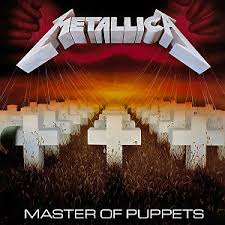
A Puppet on Strings
Making it look like the government is acting independently when it is really just controlling the story.
Essay
To what extent should governments limit rights and freedoms in response to modern challenges?
Governments should only limit rights when there is a real threat and they clearly explain why to the public - anything more than that starts to damage the democracy they are supposed to protect. But the bigger danger is not always a law that restricts rights. Governments can quietly weaken democracy just by controlling what people pay attention to. In 2001, UK adviser Jo Moore emailed her team on September 11 before either tower had fallen, saying it was "a very good day to bury bad news." She was not passing any laws - she was just making sure nobody looked too closely at what her government was doing. Boris Johnson did the same thing in 2022 when he announced the Rwanda plan right in the middle of the Partygate scandal. The scheme cost £700 million and only moved four people, which suggests the real point was never deportation. This is the dead cat strategy - you throw something huge and shocking on the table so people stop paying attention to the real problem. Both of these examples show that democracy is not only threatened by governments that openly break rules, but also by ones that quietly flood the news with distractions. Anytime a government wants to limit rights, they need to be fully transparent about why - because history shows they will use crises to dodge accountability if they can. Democracy can handle real emergencies, but it cannot survive a government that keeps the public too distracted to push back.
Museum Exhibit Card
Exhibit · Authoritarianism & Populism
Worse than Epstein?
My exhibit argues that liberalism is still working but becoming more fragile because governments use distraction tactics to avoid accountability and keep people too distracted to push back.
Challenge to Liberalism
Governments are using big shocking distractions - like announcing controversial policies right when a scandal breaks - to avoid public criticism without technically breaking any rules. This dead cat approach slowly destroys the informed public that a real democracy needs to work.
What the Symbols Represent
- Dead Cat on the Table - Throwing something shocking into the conversation so everyone stops talking about the real issue.
- Shovel Burying a Newspaper - Burying bad news under the noise of something bigger.
- Puppet on Strings - Making it look like the government is acting on its own when it is really just trying to control the story.
Historical & Current Examples
- Jo Moore email - 11 Sep 2001 (historical)
- Boris Johnson / Rwanda scheme - 2022 (historical)
- US UFO/UAP hearings - 2023-24 (current)
Liberal principles: Freedom of Information · Government Accountability
Is Liberalism Still Viable?
Partially, yes. Jo Moore resigned, Boris Johnson was removed from office and Epstein did not fully escape scrutiny. The fact that all of them eventually faced consequences shows the system still works. The real danger is that every time this tactic succeeds, it just makes it easier for the next government to try it.
Made by Oleg for Social Studies 30-1, Ms. Patzer's class